


Photo Credit: Ekaterina Skerleva | Opening November 12th | SOLILOQUY at Kunstpavillon München
SOLILOQUY | Anna Livia Dörr & Lina Zylla
November 13–29 | Kunstpavillon, Munich (DE)
Opening reception from 5 p.m.
Thursday, November 12, 2026
Performance by Lina Zylla at 7 p.m.
Exhibition dates
November 13–29, 2026
Closing event
Sunday, November 29, 2026, 4–5 p.m.
Kunstpavillon Munich
Sophienstraße 7a
80333 Munich
Opening hours: Tuesday to Sunday, 11 a.m.–5 p.m. Closed on public holidays.
EN
When and why do we speak to ourselves? Talking to oneself is a sign of deep immersion in one's own thoughts and of an engagement with the self. In psychology, self-talk is described as a form of inner self-regulation which, when spoken aloud, can also become visible and audible to those around us. In this way, it grants us a brief glimpse into the subjective experiential content of another person's mental processes. Self-talk or soliloquy, also known as spoken thinking, serves as the starting point for Anna Livia Dörr and Lina Zylla's joint exhibition at the Kunstpavillon. The exhibition title "Soliloquy" is composed of the Latin words solus ("alone") and loqui ("to speak"). Speaking alone. The question arises: who or what is holding monologues in the Kunstpavillon? Those who listen carefully can hear stories articulated visually and acoustically, inscribed in porous, curved, and reflective surfaces, echoing loudly through the exhibition space — imprints and touches which, following Georges Didi-Huberman, can be regarded as experiments with an open outcome.In the exhibition space, self-talk visualizes itself as an experimental system, as the testing of boundaries, attributions, and processes, offering viewers a subjective quality of perception and experience. 1 /
Lina Zylla's spatial installation bears witness to a multi-layered layering of materials, whose processual character is underscored by a two-part, cumulative performative activation during the vernissage. On view are glass panes bearing imprints, resting on carpets and leaning against the walls. Ceramics evoking associations with craters and stalagmites are distributed across the floor, forming, together with drawn gestures, a dense composition. During the opening of the exhibition, the artist will actually make her objects speak aloud, reading the spatial composition like a notation while articulating text fragments herself.
1 /Georges Didi-Huberman, Ähnlichkeit und Berührung. Archäologie, Anachronismus und Modernität des Abdrucks 2 (Köln: Dumont, 1999), 17.
The artist's voice in loops and samples from field recordings creates a carpet of sound that overlays a video projection as well as the sculptural and painterly gestures in the space. An individual linguistic layer emerges, moving between spoken, sung, and looped language, repeating itself and overlapping, thereby leaving room for abstraction. A recurring sentence makes clear the open and processual character of her performance: "The clouds are changing shapes above us, the story never seems the same." The starting point is a scaffolding from which she intervenes in her composition during the performance, rearranging it, extending what already exists, and leaving material traces in the form of outgrowths, which also come into contact with the work of Anna Livia Dörr. Via a QR code, visitors can play back the resulting sound on their smartphones even after the live performance, thus bringing the installation to life. Where does the artistic process begin, and when does it end?
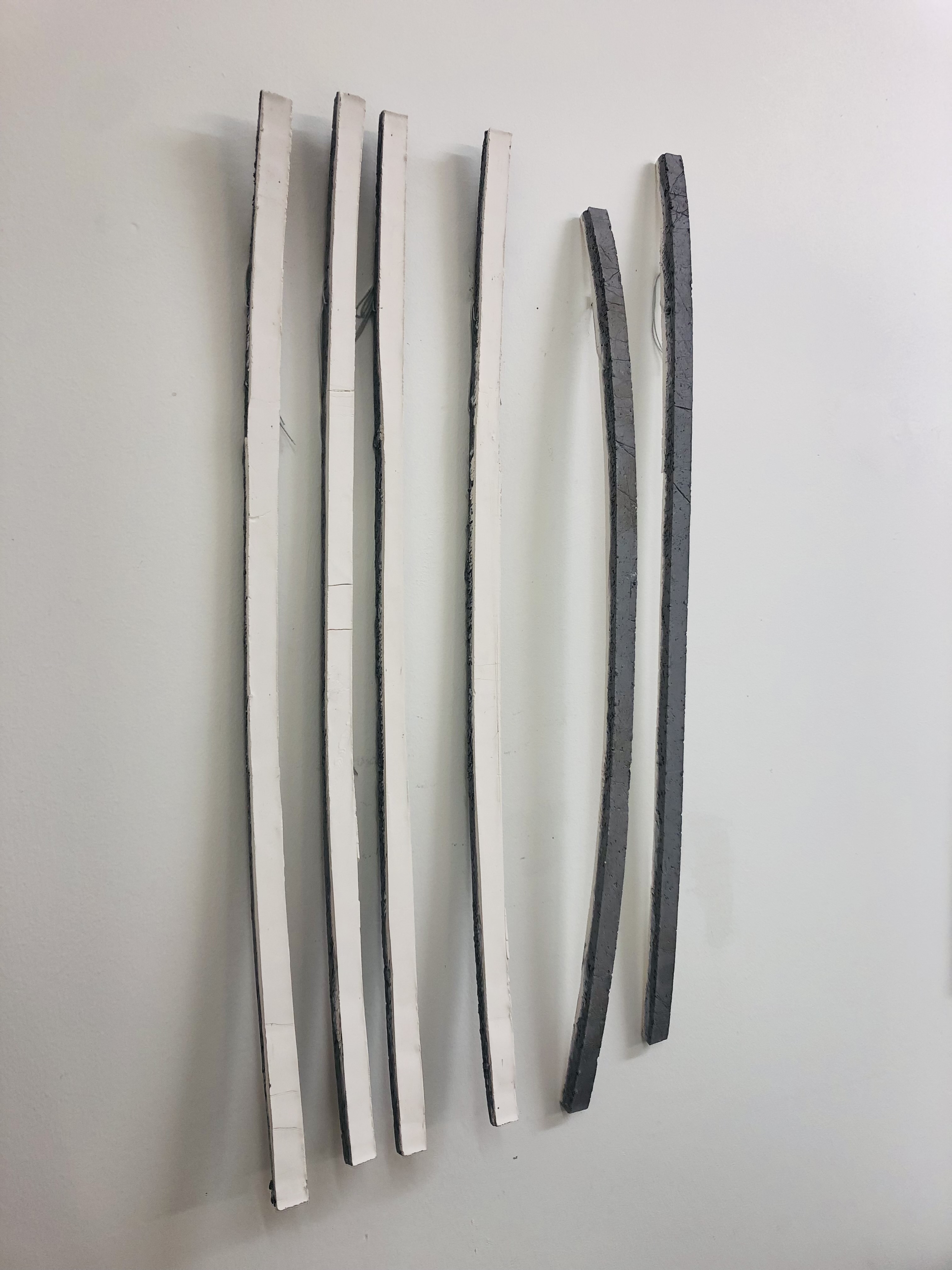
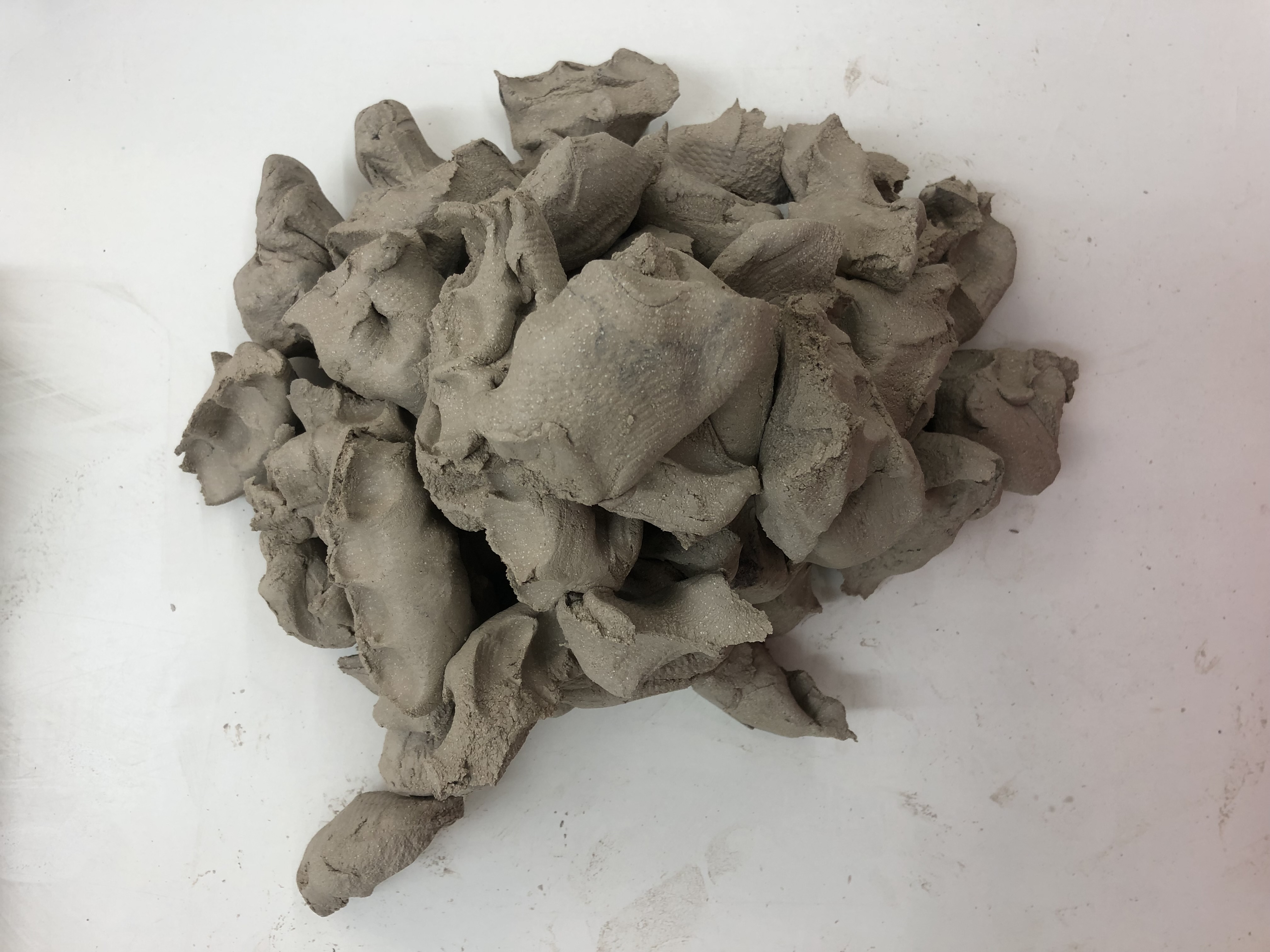
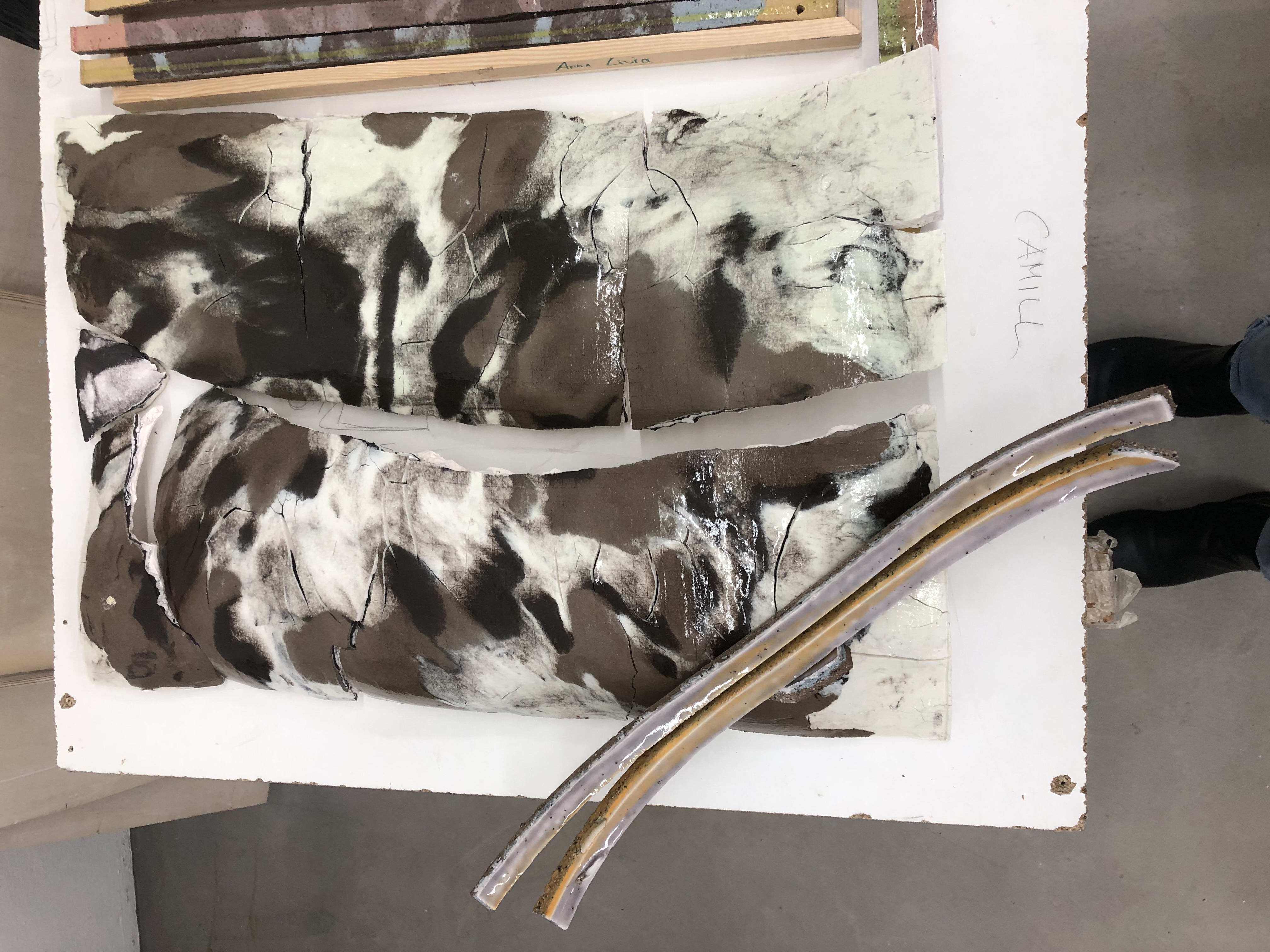
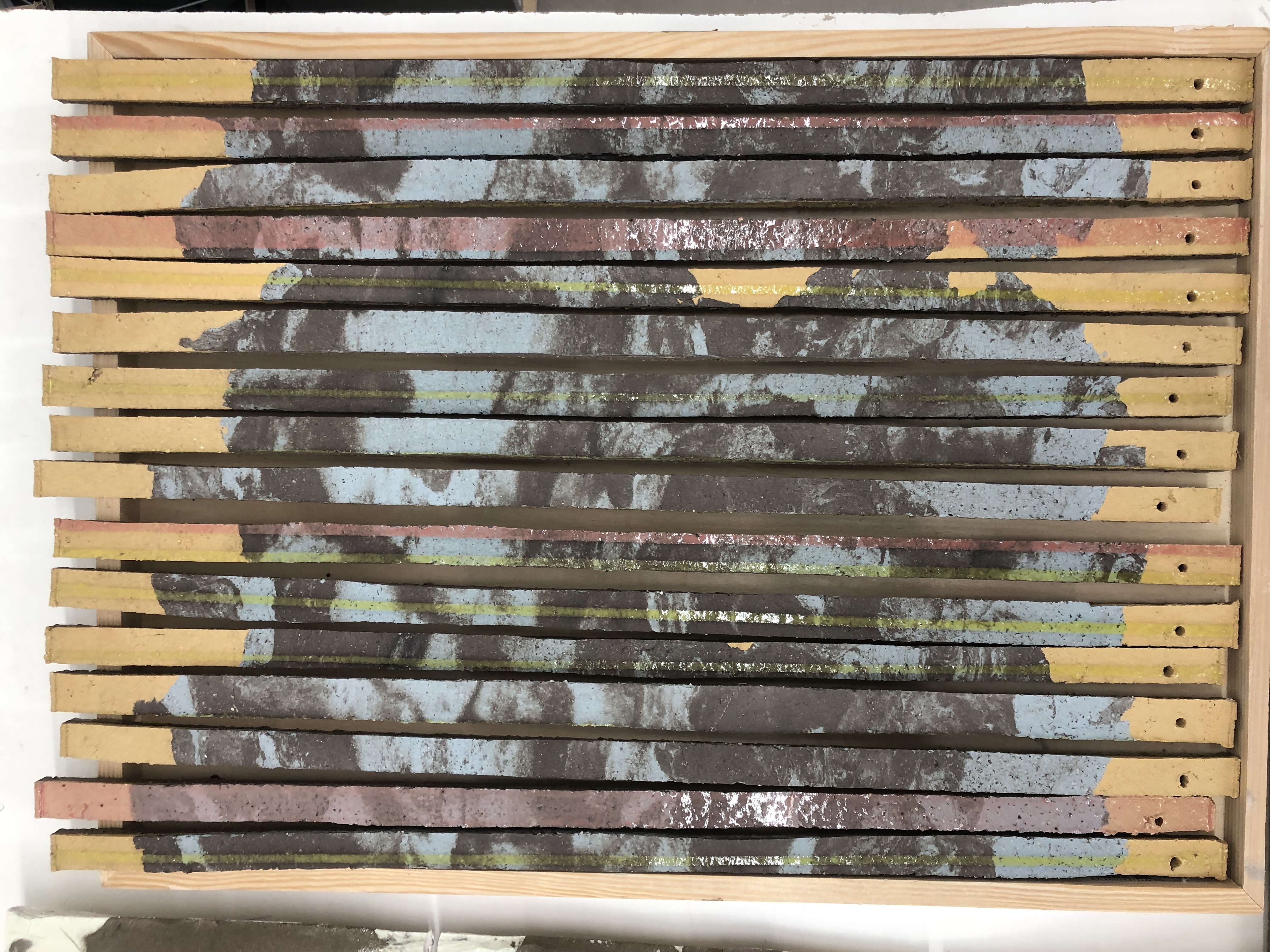
Anna Livia Dörr's sculptural gestures in the Kunstpavillon move at the interface of image and object, chafing against parameters such as control, dynamics and movement. Elongated, narrow ceramic pieces lift off the wall alone, in pairs, or in groups, some adorned with wires and colorful cords. In addition, free-standing objects, each assembled from three ceramic pieces, are distributed throughout the space. The works are part of the ongoing series "Nothing to add," which functions as an open archive whose individual elements can be combined in variable ways: hybrid fragments between sculptural form and abstract image, enabling associative processes in viewers. Cracks, fractures, and shifts in the glazed surfaces serve as static snapshots of a dynamic material that has been pressed into a pictorial format and fired in the kiln to assert itself as an independent form. Through a deliberate relinquishing of control in the creation process, the artist grants the clay autonomy, leaving room for chance. Fragmentary forms emerge, which she arranges in the exhibition space into processual groups of works and ongoing compositions, placing them in relation to one another or setting them apart. In doing so, the rods, strips, and lines adopt a subtle, formal approach to the pavilion’s architectural character. Visitors to the Kunstpavillon can catch a glimpse of the inner life — the qualia — of the objects. Here, the self-talk translated visually and acoustically reveals the processual character of the works and calls their completeness into question.
Anna Livia Dörr and Lina Zylla probe the boundaries of the concept of the image, leaving traces that engrave themselves into the surfaces of the works and remain there as imprints. Their works form graphic lines in space, creating an abstract composition. Self-talk thus proves to be a means of insight: in spoken thinking, the artistic process itself becomes an experimental system in which material, form and voice encounter one another. Perhaps we should speak to ourselves more often and listen closely to what the self has to say.
Text by: Julia Anna Wittmann
The exhibition is presented as part of the VBK exhibition support program. It is financially supported and funded by ver.di Visual Arts Bavaria (VBK). Cooperation partners include ver.di Munich, ver.di Bavaria, and Kunstpavillon München e. V. (supported by the Department of Arts and Culture of the City of Munich). The artists and their exhibition project, SOLILOQUY, are also supported by the Erwin and Gisela von Steiner Foundation, the Stark Foundation for Contemporary Art, and the visual arts project funding program of the Department of Arts and Culture of the City of Munich.


Studio 2026
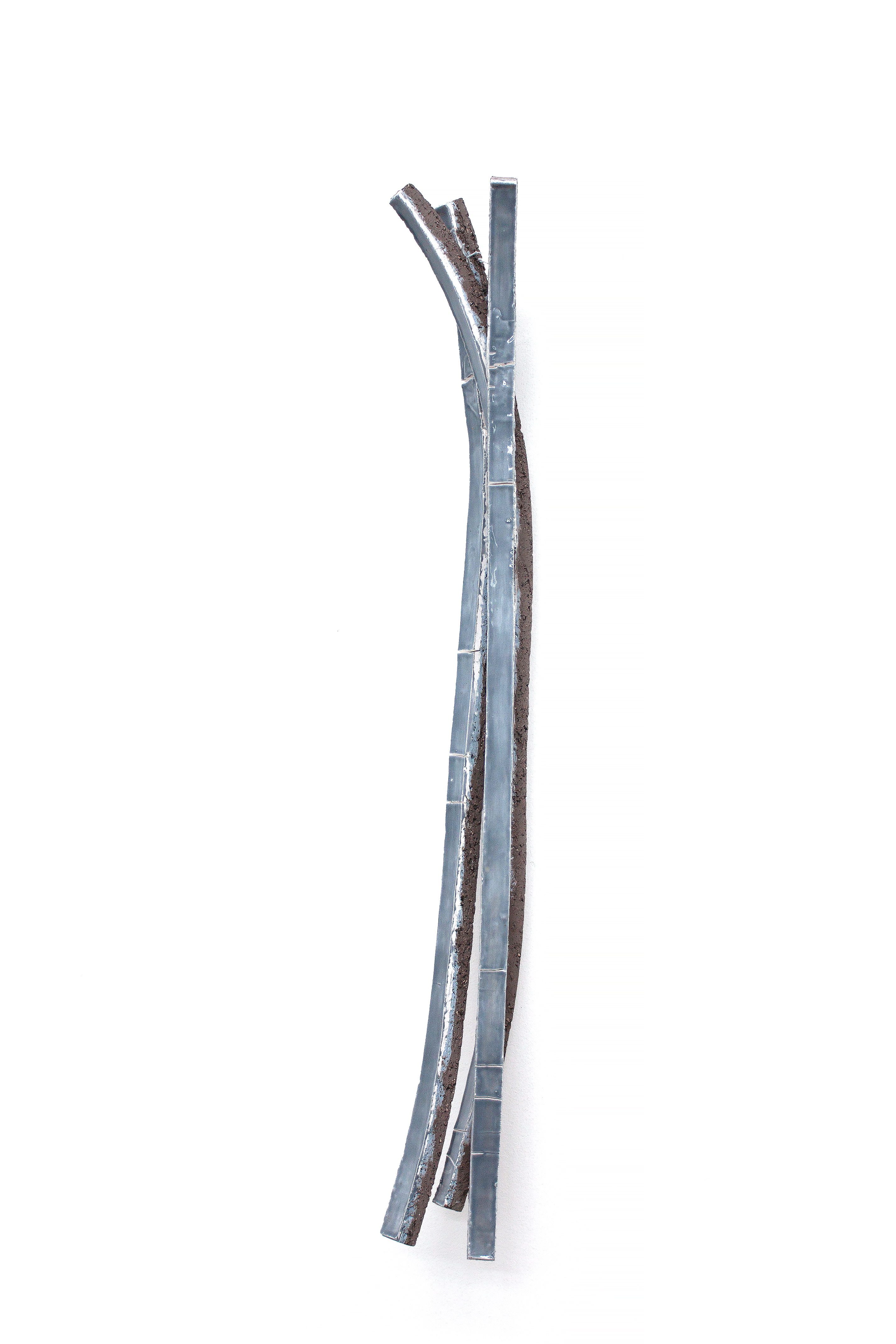
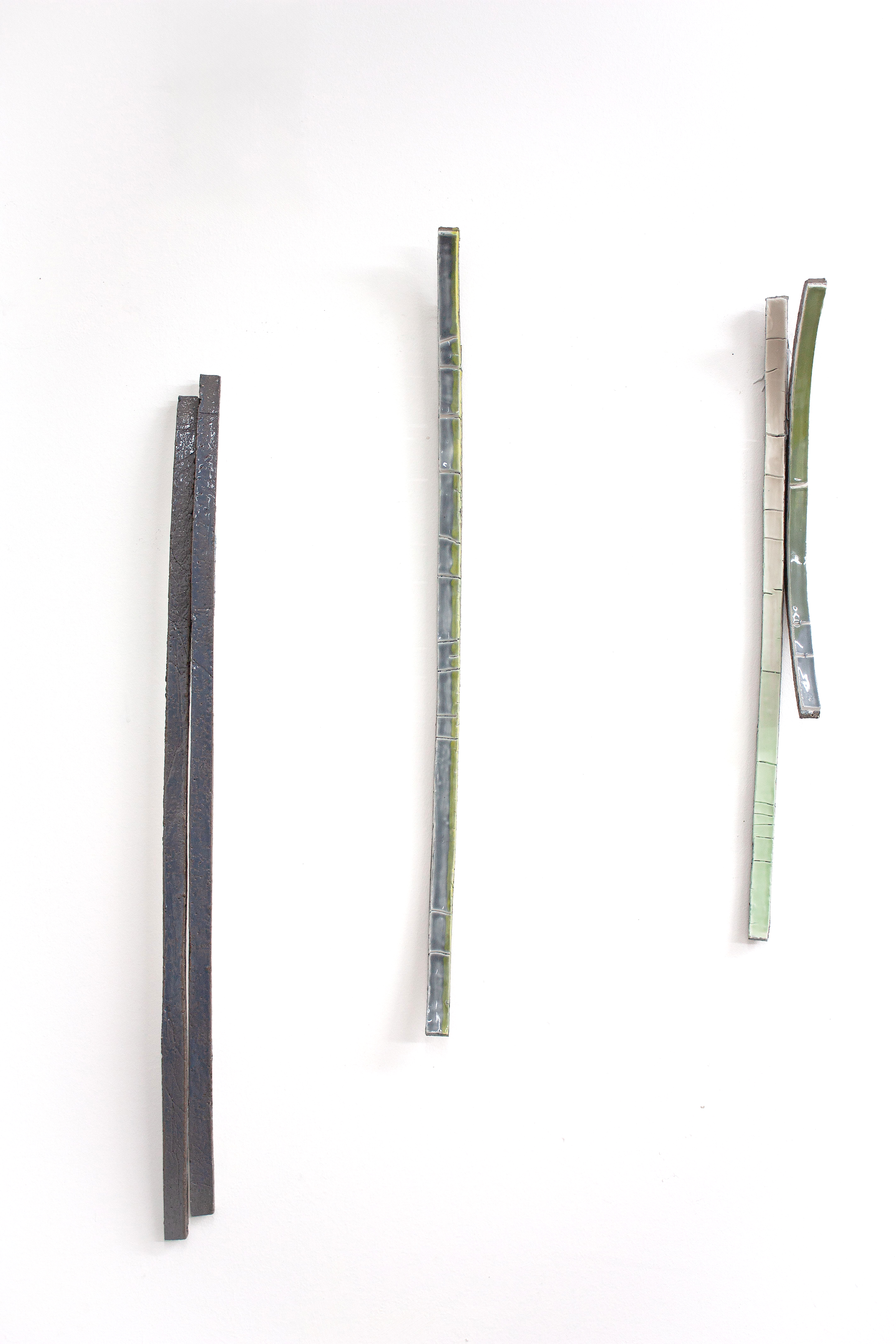
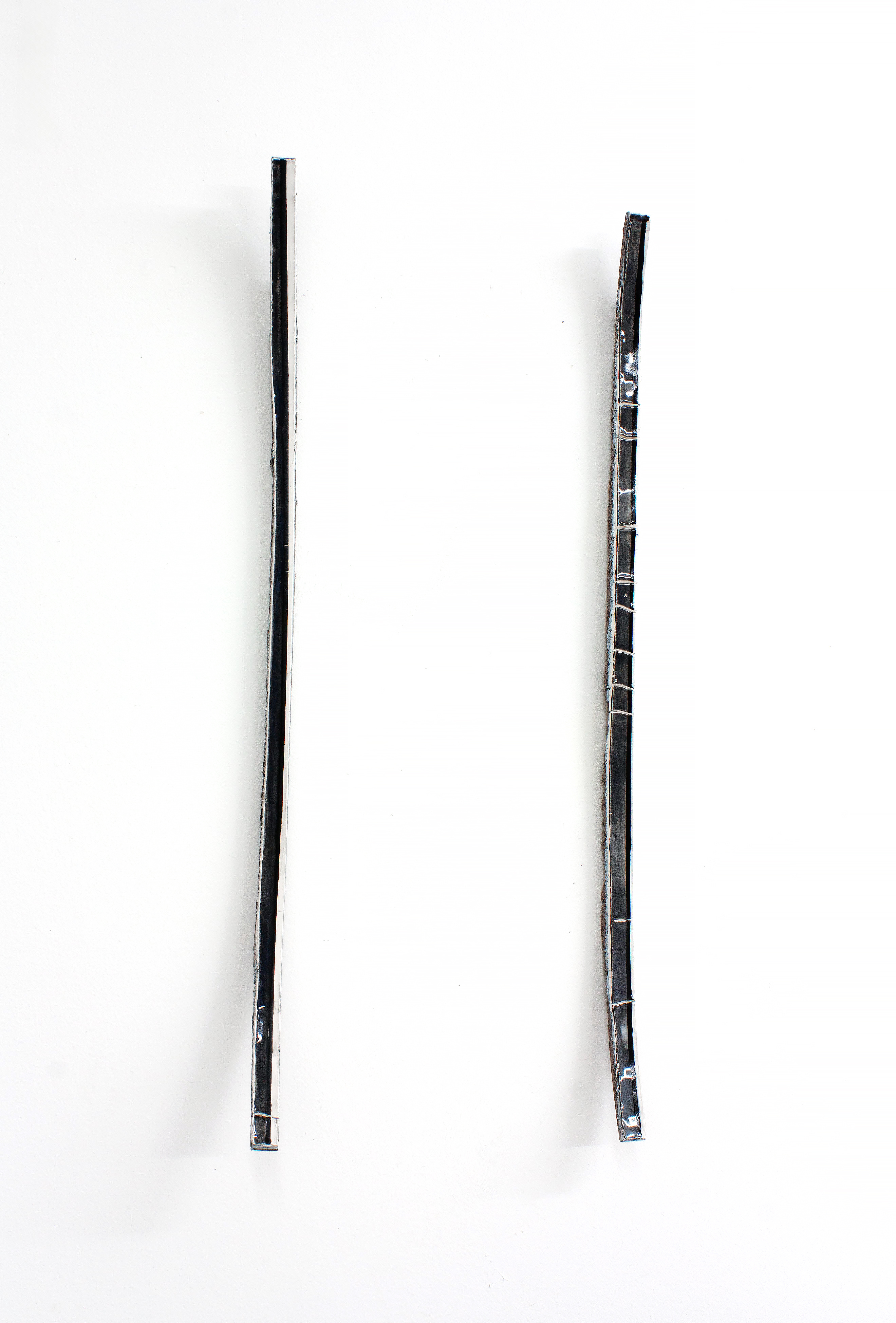
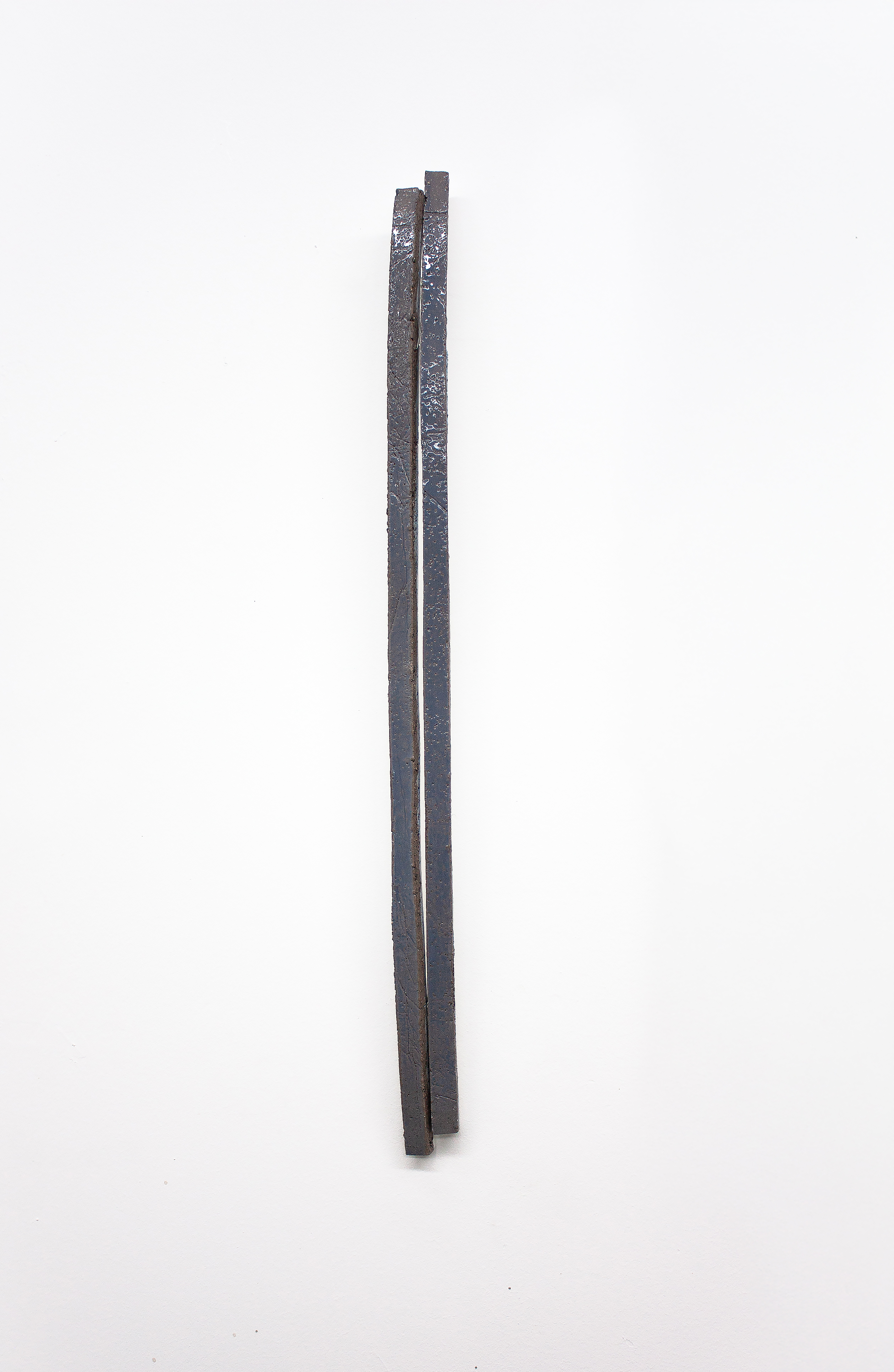
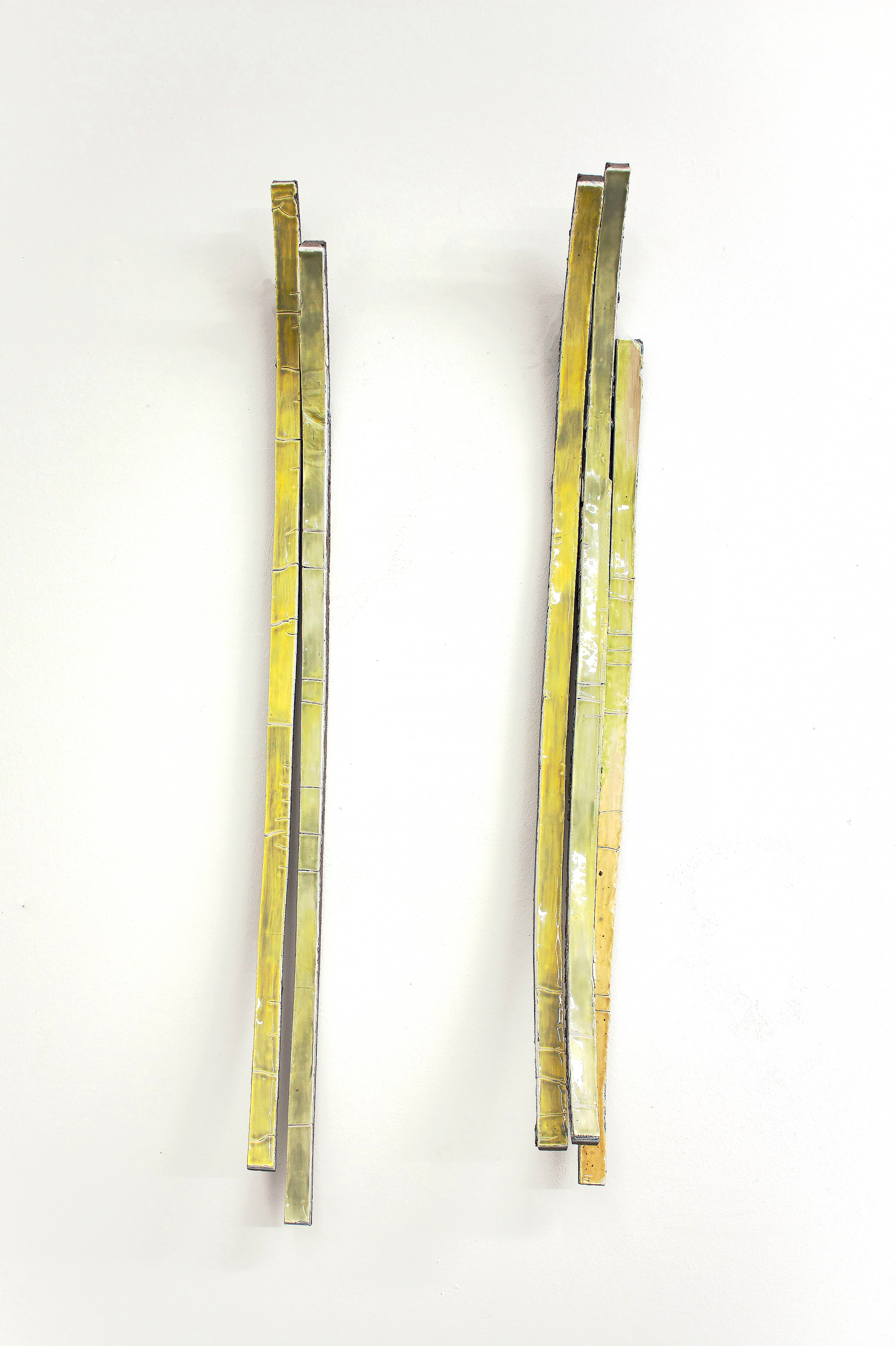
Nothing to add
2025
Unlimited series and active archive
Variable dimensions | maximum height: 74 cm


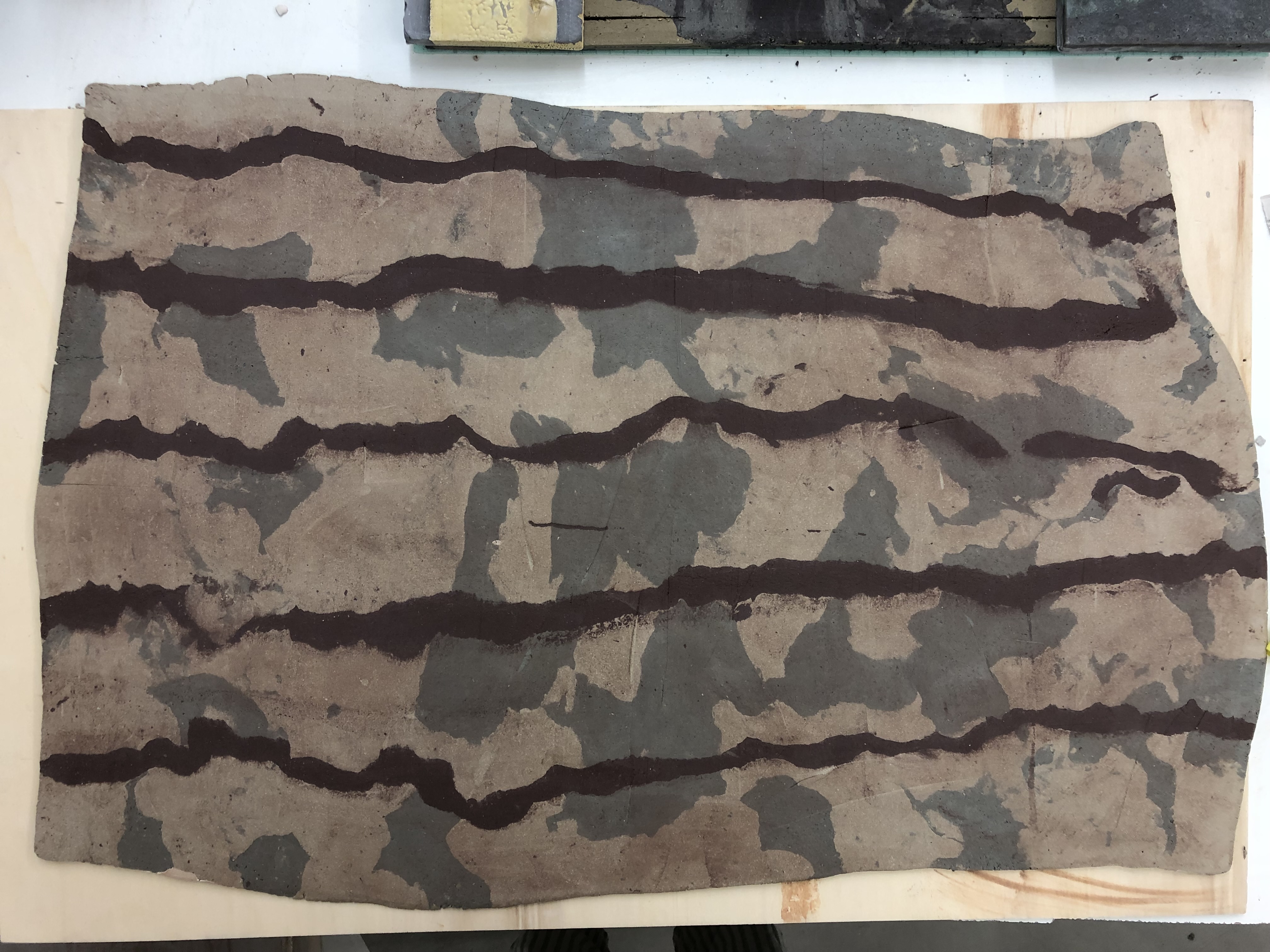
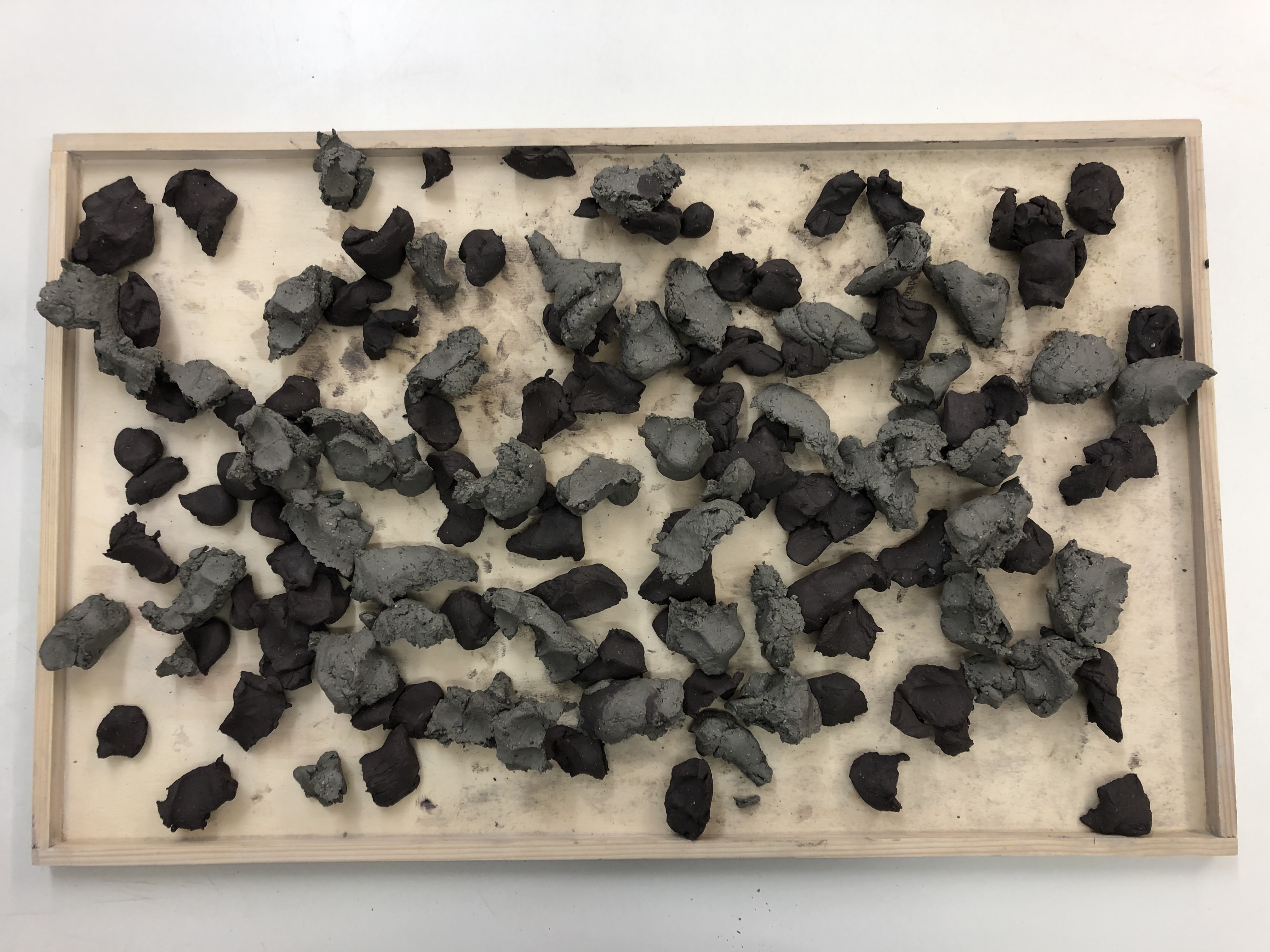


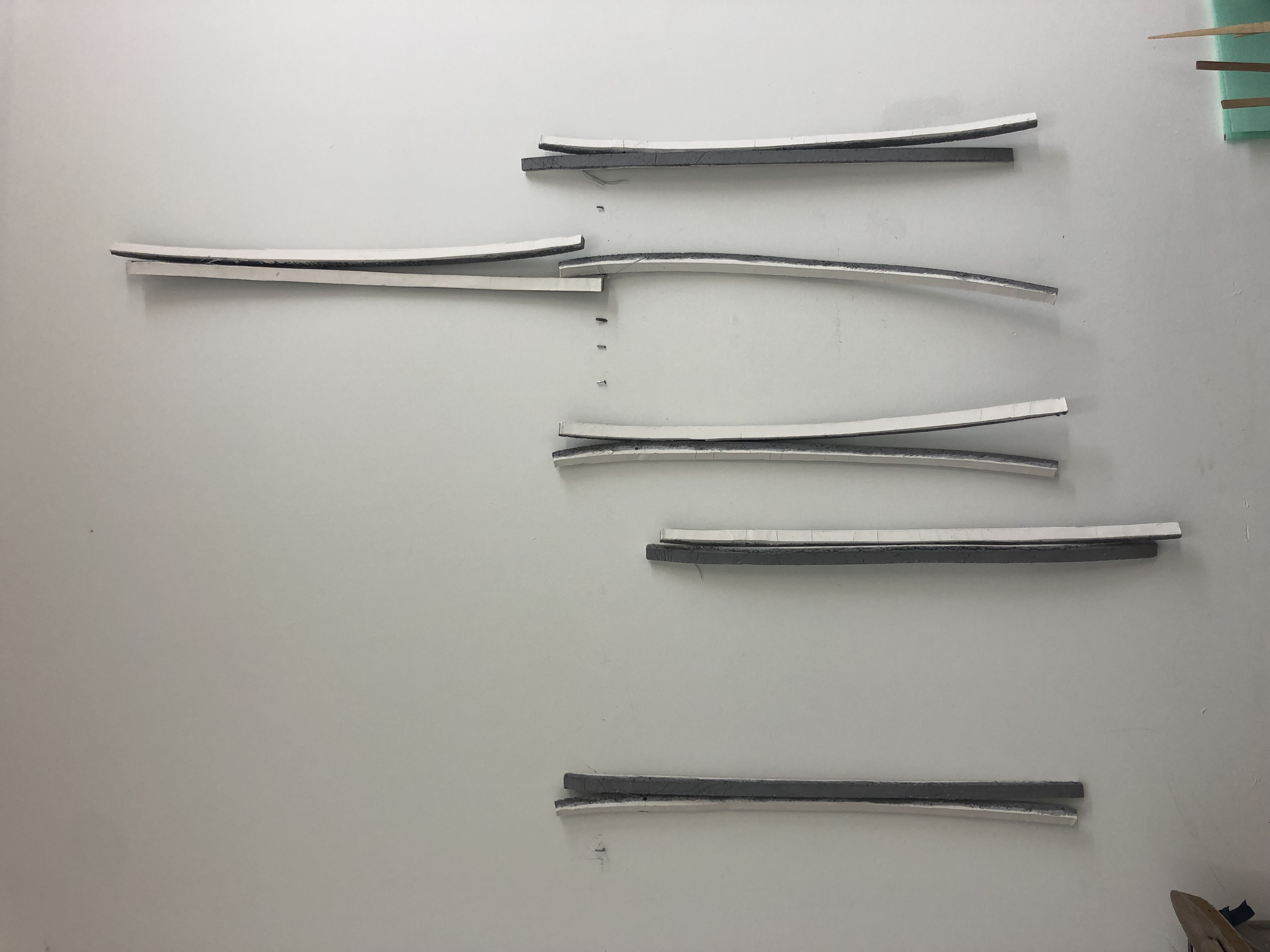






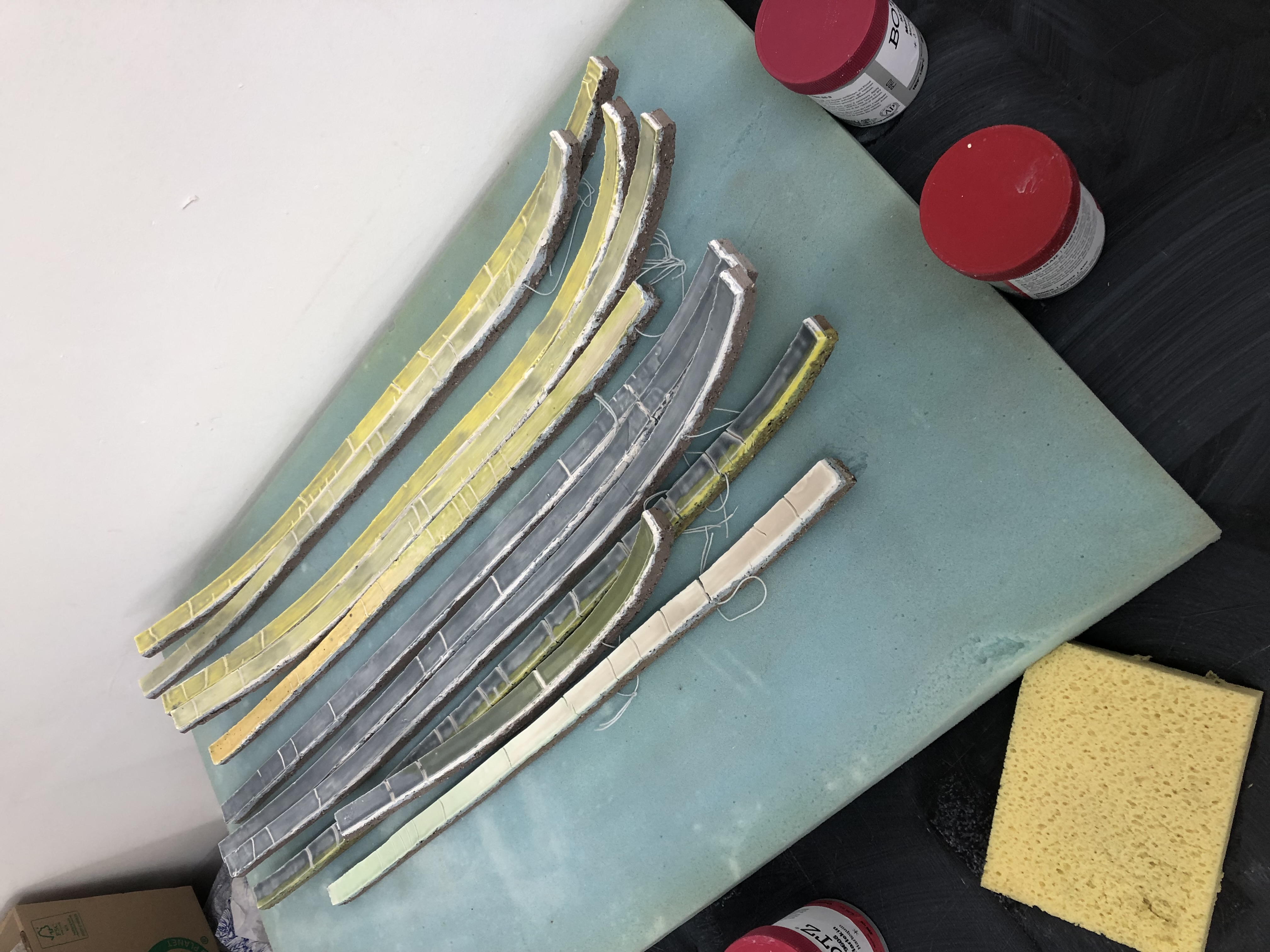
Studio 2025

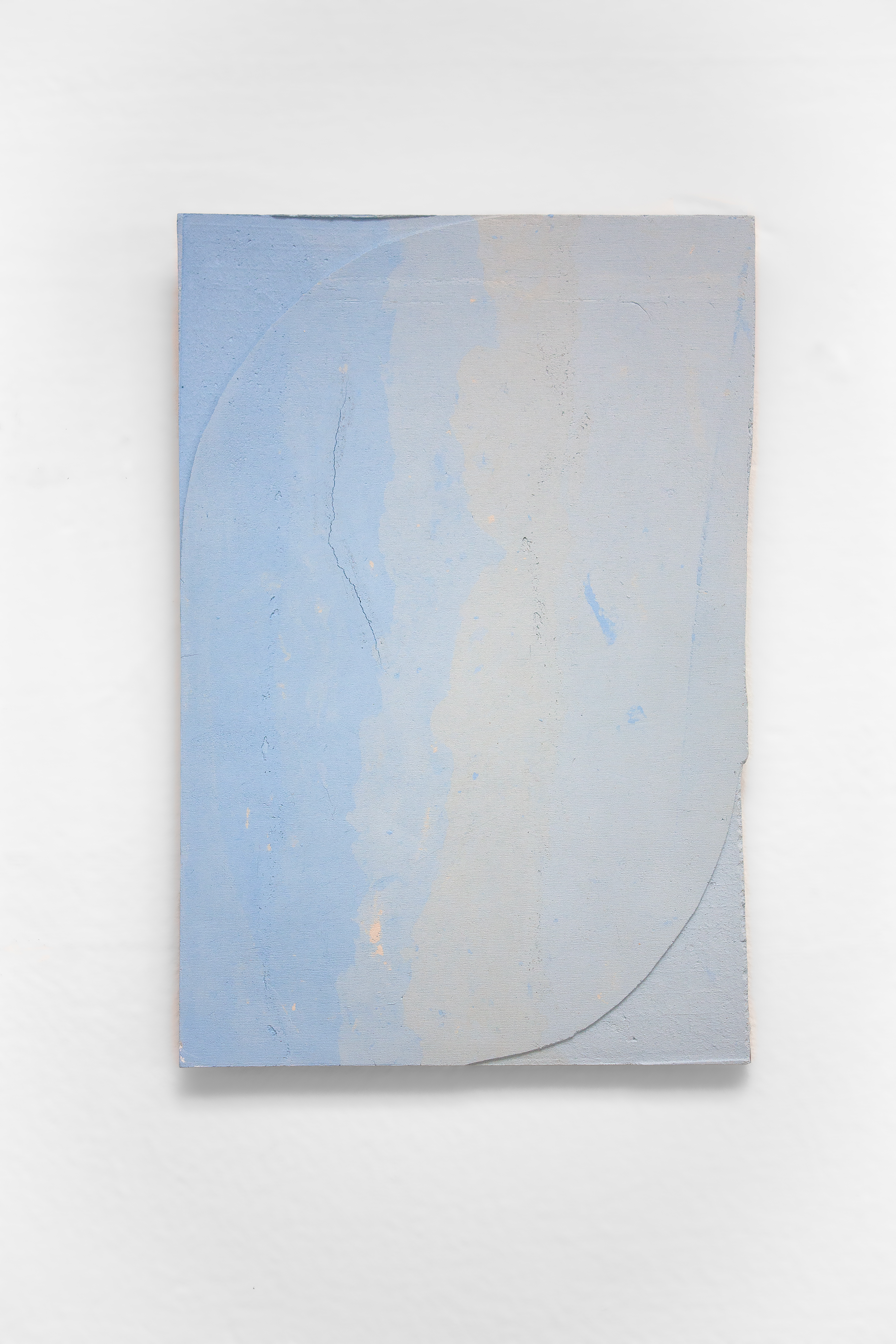

var. Hoop
2024
Hula Hoop | 2024 | 38,5 x 26 x 2 cm | ceramics with porcelain
Twin Hoop | 2024 | 38 x 52 x 2 cm | ceramics with porcelain
Hoop with tape | 2024 | 38,5 x 26 x 2 cm | glazed ceramics with porcelain